Unokubi Zukuri Katana: Understanding the Cormorant's Neck Blade Shape

Among traditional Japanese sword blade styles, the Unokubi Zukuri katana is one of the most unique and recognizable designs. Unlike the common Shinogi Zukuri blade, Unokubi Zukuri focuses on reducing weight while maintaining strength and cutting ability.

The name "Unokubi" (鵜首) literally means "cormorant's neck" because the blade shape resembles the narrow neck of a cormorant bird. This distinctive geometry creates a lightweight sword with excellent balance and handling characteristics.

Originally developed from specialized Japanese blade designs, Unokubi Zukuri became popular among collectors and sword enthusiasts who appreciate rare traditional blade geometries. Today, it remains a popular choice for custom katana because of its unique appearance and functional advantages.


What Is an Unokubi Zukuri Blade?

Unokubi Zukuri is a traditional Japanese sword blade shape characterized by a narrowed section along the upper part of the blade while maintaining a strong cutting edge and sturdy tip area.

The design is based on the Shinogi Zukuri structure but includes a distinctive reduction in the shinogi-ji area. This removes unnecessary weight while preserving the strength required for effective cutting.

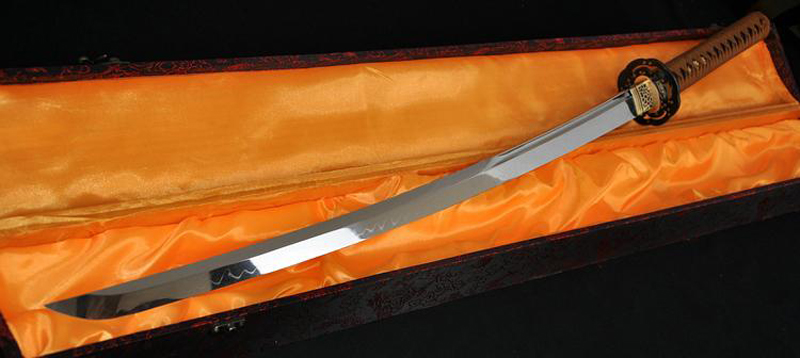
Unokubi Zukuri katana showing the traditional Cormorant's Neck Blade shape

The result is a blade that offers:

  • Reduced overall weight compared with traditional heavy blades.
  • Improved handling and faster movement.
  • Good cutting performance with strong blade structure.
  • A rare and distinctive traditional appearance.

Why Is It Called the Cormorant's Neck Blade?

The name Cormorant's Neck Blade comes from the visual appearance of the blade profile. The narrowed middle section resembles the long, slender neck of a cormorant bird.

This unique shape is not only decorative. The reduction of material changes the weight distribution of the sword, making the blade easier to control while keeping important structural areas strong.

Many rare Japanese blade styles were created by swordsmiths who experimented with different geometries to improve performance, balance, or adapt blades for specific uses.


History and Development of Unokubi Zukuri Katana

The Unokubi Zukuri design is closely related to earlier Japanese polearm and sword traditions. Similar blade concepts were used to reduce weight on longer weapons while maintaining practical cutting ability.

This geometry is often associated with blades converted from or influenced by naginata designs, where reducing weight was especially important because of the longer blade length.

Over time, Unokubi Zukuri became appreciated not only for function but also for its artistic value. Modern collectors often choose this style because it represents a less common chapter of Japanese sword craftsmanship.


Structure and Characteristics of an Unokubi Zukuri Blade

The unique appearance of an Unokubi Zukuri katana comes from its carefully designed blade geometry. While the lower section of the blade maintains a traditional strong structure, the upper portion is narrowed to reduce unnecessary weight.

Unlike straight lightweight blades, Unokubi Zukuri does not simply remove material randomly. The shape is carefully balanced to maintain durability while improving handling.

Main Features of Unokubi Zukuri

  • Narrowed Shinogi Area: The upper blade section is reduced to lower weight.
  • Strong Cutting Edge: The edge retains enough material for effective cutting.
  • Reinforced Tip Area: The point remains structurally strong.
  • Lightweight Design: The blade feels faster and more responsive in motion.
  • Distinctive Appearance: The unusual profile makes it easy to recognize.

Advantages of an Unokubi Zukuri Katana

The Unokubi Zukuri blade shape offers several advantages compared with heavier traditional sword designs. Its main purpose is improving balance and reducing fatigue during handling.

1. Lightweight and Easy to Handle

Because unnecessary steel is removed from the upper blade section, an Unokubi Zukuri katana can feel lighter in the hands. This makes it easier to control during movement and practice.

2. Excellent Balance

The reduced weight changes the balance point of the sword. Many users appreciate the quicker handling and smoother movement compared with heavier blade shapes.

3. Unique Traditional Appearance

For collectors, the biggest attraction of Unokubi Zukuri is its rarity. The unusual blade profile stands apart from common katana styles and reflects the creativity of Japanese swordsmiths.

4. Functional Cutting Ability

When properly forged and heat-treated, an Unokubi Zukuri katana can provide reliable cutting performance while maintaining a lighter overall structure.


Disadvantages of an Unokubi Zukuri Blade

Although Unokubi Zukuri offers many benefits, it is not suitable for every sword user. The specialized geometry requires careful craftsmanship and may have limitations compared with more common blade styles.

  • The unusual shape may not appeal to traditional katana collectors.
  • Poor construction can reduce the benefits of the design.
  • The blade requires accurate forging and heat treatment.
  • Replacement or restoration may be more specialized because of the rare shape.

For this reason, choosing a reliable sword maker is especially important when purchasing an Unokubi Zukuri katana.


Unokubi Zukuri vs Shinogi Zukuri Katana

Shinogi Zukuri is the most common traditional Japanese sword blade shape, while Unokubi Zukuri is a more specialized variation designed to reduce weight and improve handling.

Feature Unokubi Zukuri Shinogi Zukuri
Blade Shape Narrowed upper section with reduced weight Standard curved blade profile
Weight Generally lighter Usually heavier and stronger
Handling Fast and agile movement Balanced and versatile
Popularity Rare traditional style Most common katana design

Both blade shapes have their own advantages. Shinogi Zukuri remains popular because of its proven versatility, while Unokubi Zukuri attracts collectors who want a lighter and more unusual sword design.

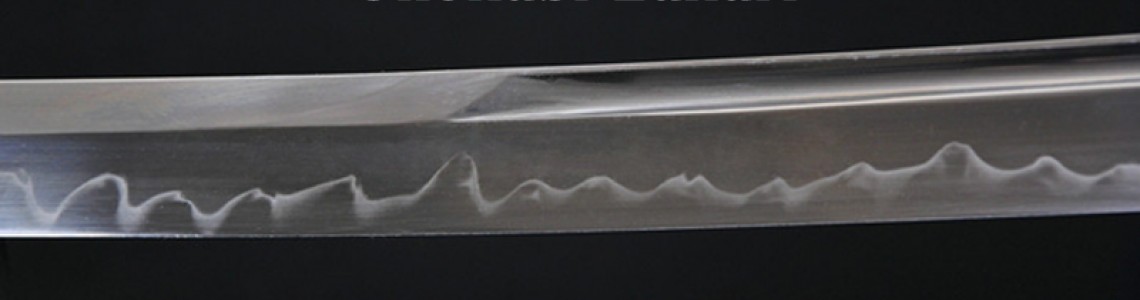
Close up view of Unokubi Zukuri katana blade geometry and narrowed shinogi section


Who Should Choose an Unokubi Zukuri Katana?

An Unokubi Zukuri katana is a great choice for people who appreciate unique Japanese sword designs and want something different from standard katana styles.

  • Collectors: Ideal for those interested in rare traditional blade shapes.
  • Martial Artists: Suitable for users who prefer lightweight handling.
  • Sword Enthusiasts: A unique example of Japanese sword craftsmanship.
  • Custom Sword Buyers: A distinctive option for personalized katana projects.

Before purchasing, buyers should consider steel type, heat treatment, tang construction, blade length, and the reputation of the sword maker.


How an Unokubi Zukuri Katana Is Made

Creating an Unokubi Zukuri katana requires careful planning because the unique blade shape depends on accurate geometry and precise craftsmanship.

The swordsmith must carefully balance the reduced upper section with the strength of the cutting edge and spine. Incorrect shaping can affect the durability, balance, and performance of the sword.

1. Steel Selection and Forging

The process begins with selecting suitable steel. Traditional Japanese-style blades may use high carbon steel or folded steel depending on the desired characteristics.

During forging, the swordsmith shapes the blade while controlling the thickness, curvature, and weight distribution required for the Unokubi Zukuri design.

2. Heat Treatment and Hamon Formation

Proper heat treatment gives the blade its combination of hardness and flexibility. Differential hardening can create a visible hamon along the cutting edge.

The final appearance of the hamon depends on the steel, clay application, temperature control, and polishing process.

3. Grinding and Polishing

After forging and heat treatment, the blade is carefully shaped and polished. Proper polishing helps reveal the blade geometry and enhances the beauty of the Unokubi Zukuri profile.


Unokubi Zukuri Katana Maintenance Guide

Like all high carbon steel swords, an Unokubi Zukuri katana requires regular maintenance to prevent rust and preserve the blade condition.

  • Clean fingerprints and moisture after handling.
  • Apply a thin layer of sword oil regularly.
  • Store the sword in a dry environment.
  • Avoid touching the blade surface directly.
  • Inspect fittings and blade condition periodically.

Because Unokubi Zukuri blades have a unique profile, owners should avoid aggressive polishing or modification that may damage the original geometry.


Things to Consider Before Buying an Unokubi Zukuri Katana

An Unokubi Zukuri katana is a specialized sword style, so buyers should carefully evaluate several factors before making a purchase.

  • Steel Quality: Choose a blade made from reliable sword steel.
  • Heat Treatment: Proper tempering is essential for strength and performance.
  • Tang Construction: A strong tang improves durability and safety.
  • Blade Balance: The sword should feel comfortable in the hand.
  • Craftsmanship: Quality fittings and finishing complete the sword.

The unusual appearance of an Unokubi Zukuri blade makes it attractive, but the construction quality should always be the priority when choosing a functional katana.

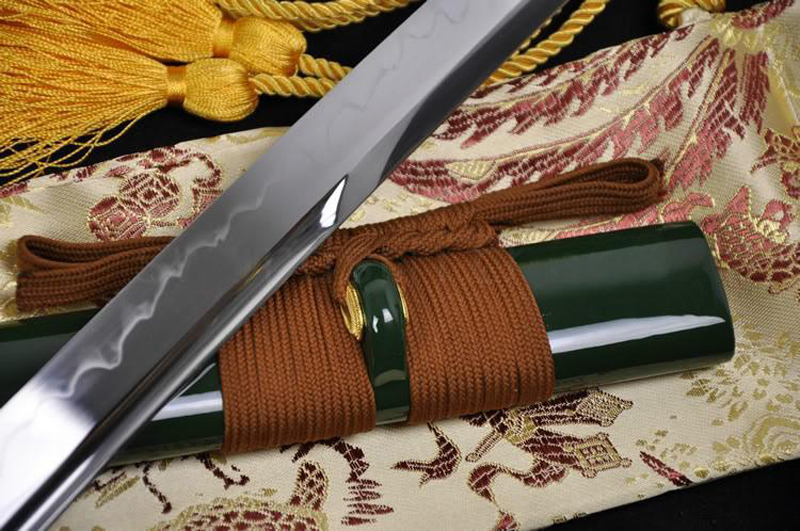
HanBon Forge handmade Unokubi Zukuri katana with traditional blade design


Conclusion: Understanding the Unokubi Zukuri Cormorant's Neck Blade

The Unokubi Zukuri katana represents the creativity and technical skill of traditional Japanese sword design. Its distinctive narrowed blade section creates a lightweight sword with excellent balance and a unique appearance.

Although less common than Shinogi Zukuri, the Cormorant's Neck Blade remains popular among collectors and sword enthusiasts who appreciate rare blade geometries.

Whether chosen for collection, martial arts practice, or personal appreciation, an Unokubi Zukuri katana offers a unique connection to Japanese sword craftsmanship.


Frequently Asked Questions About Unokubi Zukuri Katana

1. What is an Unokubi Zukuri katana?

An Unokubi Zukuri katana is a traditional Japanese sword style with a narrowed upper blade section designed to reduce weight while maintaining strength.


2. Why is Unokubi Zukuri called the Cormorant's Neck Blade?

The name comes from the blade shape, which resembles the slender neck of a cormorant bird.


3. Is an Unokubi Zukuri katana lighter than a normal katana?

Yes. The design removes material from specific areas of the blade, creating a lighter and more agile sword.


4. Is Unokubi Zukuri good for cutting?

A properly forged Unokubi Zukuri katana can perform well in cutting because it maintains a strong edge while improving handling.


5. What is the difference between Unokubi Zukuri and Shinogi Zukuri?

Unokubi Zukuri reduces weight through a unique blade profile, while Shinogi Zukuri uses a more standard and widely used katana geometry.


6. Is Unokubi Zukuri a rare katana style?

Yes. Compared with common blade styles, Unokubi Zukuri is less frequently produced and is valued for its distinctive design.


7. Who should buy an Unokubi Zukuri katana?

Collectors, martial artists, and sword enthusiasts who appreciate unique traditional blade designs may enjoy this style.


8. Does Unokubi Zukuri affect sword balance?

Yes. The reduced blade weight changes the balance and often creates a faster, more responsive handling experience.


9. Can an Unokubi Zukuri katana be customized?

Yes. Custom options may include steel type, blade length, fittings, saya, handle wrapping, and engraving.


10. Is Unokubi Zukuri suitable for beginners?

Beginners can appreciate the design, but buyers should understand that it is a specialized blade style and should choose a well-made sword from a reliable maker.