
Katana and Wakizashi: Samurai Two Sword Usage Guide
Katana and Wakizashi: Understanding Their Uses in Japanese Samurai Sword Culture
When people think of Japanese swords, the Katana is usually the first weapon that comes to mind. However, during the samurai era, the Katana was not the only sword carried by warriors. The Wakizashi, a shorter Japanese sword, also played an important role in daily life, combat, and samurai tradition.
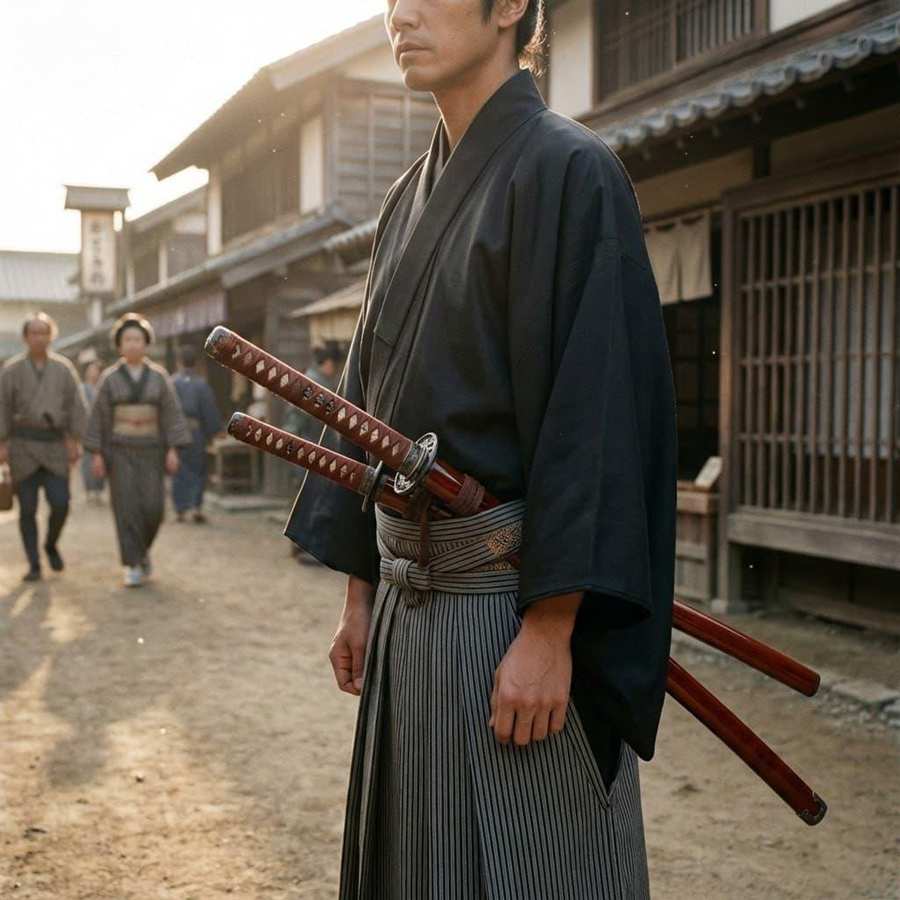
The combination of a Katana and Wakizashi was known as Daisho (大小), meaning "large and small." This famous pair represented the identity of the samurai class and reflected the practical needs of Japanese warriors.
In this guide, we will explore the differences between Katana and Wakizashi, their historical uses, fighting applications, and why both swords remain popular among Japanese sword collectors today.
What Is a Katana?
The Katana is a traditional Japanese single-edged sword known for its curved blade, sharp cutting ability, and iconic design. It became the primary sword associated with the samurai during Japan's feudal period.
A typical Katana has a longer blade compared with other Japanese swords, allowing samurai to use two-handed techniques with powerful cutting movements. The curved blade design also supported fast drawing techniques from the saya (scabbard).
The Katana was not only a weapon but also a symbol of samurai status, discipline, and craftsmanship. Today, handmade Katana swords remain highly valued by collectors and martial arts practitioners.
What Is a Wakizashi?
The Wakizashi is a shorter Japanese sword traditionally carried together with the Katana. While the Katana was mainly used as the warrior's primary sword, the Wakizashi served as a companion blade for situations where a shorter weapon was more practical.
Because of its smaller size, the Wakizashi was easier to use indoors, in narrow spaces, and during close-range encounters. Its shorter blade allowed greater mobility compared with a full-sized Katana.
The Wakizashi was also important in samurai culture because it remained with the warrior in places where a longer sword could not always be used.
Katana vs Wakizashi: Main Differences
Although Katana and Wakizashi share many similarities, their different sizes created different advantages and purposes. Understanding these differences helps collectors choose the right Japanese sword.
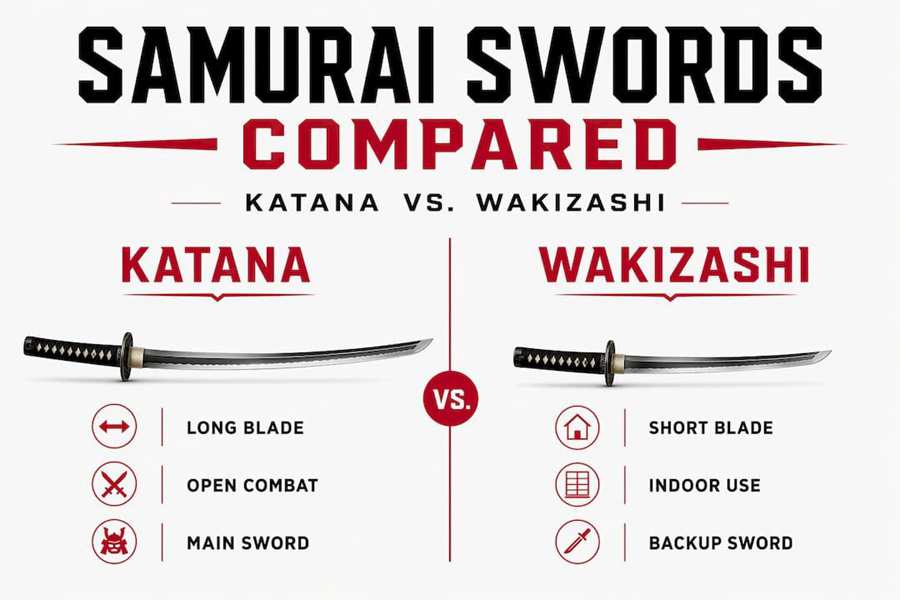
| Feature | Katana | Wakizashi |
| Blade Length | Longer blade designed for open combat | Shorter blade designed for mobility |
| Grip Style | Usually used with two hands | Often used with one hand |
| Main Purpose | Primary battlefield sword | Companion sword and close-range weapon |
The Meaning of Daisho: The Samurai Two Sword System
The combination of Katana and Wakizashi is called Daisho (大小), which literally means "large and small." This pair became one of the most recognizable symbols of the samurai class during Japan's feudal period.
The Daisho system represented more than simply carrying two swords. It reflected the social position, responsibility, and identity of a samurai. The longer Katana represented strength and battlefield ability, while the shorter Wakizashi provided versatility in different situations.
Together, the Katana and Wakizashi created a balanced sword set that allowed samurai warriors to adapt to various environments.
How Were Katana and Wakizashi Used by Samurai?
The Katana and Wakizashi had different roles in Japanese sword usage. Each sword was designed according to specific situations and fighting requirements.
Katana Usage in Combat
The Katana was mainly used as the primary combat weapon. Its longer blade provided greater reach, allowing samurai to perform powerful cutting techniques against opponents.
Many traditional Japanese sword schools developed techniques specifically for Katana fighting, including drawing techniques known as Iaijutsu and swordsmanship systems known as Kenjutsu.
Wakizashi Usage in Combat and Daily Life
The Wakizashi was especially useful in close-range situations where the longer Katana was less practical. Its compact size allowed faster movement and easier handling.
Samurai often carried the Wakizashi indoors because the shorter blade was easier to control in confined spaces. It also served as a backup weapon when the Katana was unavailable.
The Role of Wakizashi in Samurai Culture
Although the Katana is usually considered the most famous Japanese sword, the Wakizashi held an equally meaningful position in samurai culture.
The Wakizashi was sometimes called the "companion sword" because it remained with the samurai in situations where a full-sized Katana was inconvenient.
In traditional Japanese buildings, where rooms and corridors were limited in space, the Wakizashi provided greater flexibility. Its shorter blade allowed warriors to move and defend themselves more effectively indoors.
Using Two Swords: Niten Ichi Style
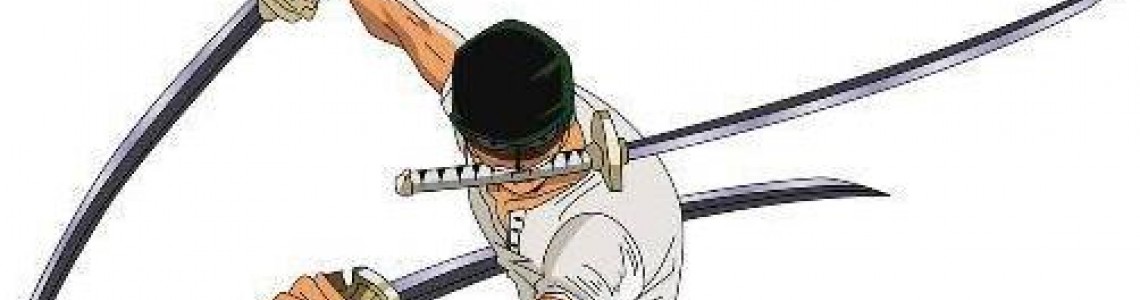
One of the most famous examples of using both Katana and Wakizashi together is the Niten Ichi sword style. This technique is associated with the legendary Japanese swordsman Miyamoto Musashi.
The Niten Ichi method uses the long sword and short sword simultaneously, creating a unique fighting approach that combines offense and defense.
Although most samurai did not constantly fight with two swords at the same time, the ability to use both weapons demonstrated advanced swordsmanship skills.
Katana and Wakizashi for Modern Collectors
Today, both Katana and Wakizashi remain highly popular among Japanese sword collectors, martial artists, and enthusiasts of traditional craftsmanship.
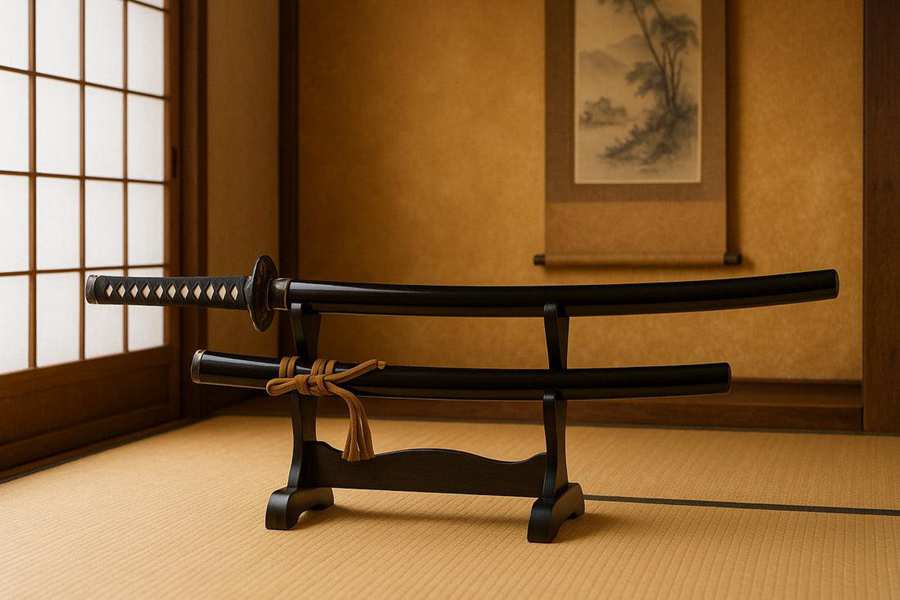
A Katana is often chosen as the centerpiece of a collection because of its iconic appearance and historical importance. A Wakizashi adds variety and allows collectors to experience the traditional Daisho sword set.
- Katana: Ideal for collectors who appreciate traditional Japanese sword design and longer blades.
- Wakizashi: Suitable for collectors who prefer shorter blades and compact Japanese swords.
- Daisho Set: A complete combination representing traditional samurai sword culture.
For many sword enthusiasts, owning both a Katana and Wakizashi provides a deeper understanding of Japanese sword history and craftsmanship.
How to Choose Between a Katana and Wakizashi?
Choosing between a Katana and Wakizashi depends on your personal interests, collection goals, and intended use. Both swords represent important parts of Japanese sword culture, but they offer different experiences.
For beginners, a Katana is usually the first choice because it represents the classic image of the Japanese samurai sword. Its longer blade, elegant shape, and historical importance make it the most popular Japanese sword worldwide.
A Wakizashi is an excellent choice for collectors who appreciate shorter Japanese swords or want to build a traditional Daisho sword set with both large and small blades.
- Choose a Katana if you prefer the traditional samurai sword style and a longer blade.
- Choose a Wakizashi if you prefer a compact Japanese sword with unique historical meaning.
- Choose a Daisho set if you want a complete representation of traditional samurai sword culture.
Katana vs Wakizashi: Which One Is Better?
There is no absolute answer to whether a Katana or Wakizashi is better. Each Japanese sword was created for a different purpose and has its own advantages.
| Purpose | Recommended Sword |
| Traditional Samurai Appearance | Katana |
| Compact Collection | Wakizashi |
| Complete Samurai Sword Set | Daisho Katana and Wakizashi |
| Martial Arts Practice | Depends on the school and training style |
The best choice depends on your personal preference and appreciation for Japanese sword craftsmanship.
Frequently Asked Questions About Katana and Wakizashi
1. What is the difference between a Katana and a Wakizashi?
The main difference between a Katana and Wakizashi is blade length. The Katana has a longer blade and was used as the primary samurai sword, while the Wakizashi is shorter and served as a companion blade.
2. Did samurai use both Katana and Wakizashi?
Yes. Samurai traditionally carried both swords as part of the Daisho system. The Katana and Wakizashi combination represented their status and provided different advantages.
3. Can a Wakizashi be used as a real sword?
Yes. A traditionally made Wakizashi is a functional Japanese sword with a sharp blade. Its shorter size makes it suitable for close-range situations.
4. Is a Katana stronger than a Wakizashi?
A Katana has greater reach because of its longer blade, while a Wakizashi provides better maneuverability in smaller spaces. Neither sword is simply stronger; they were designed for different purposes.
5. What is a Daisho sword set?
A Daisho sword set consists of a Katana and Wakizashi carried together. The term means "large and small" and represents the traditional samurai sword pair.
6. Should beginners buy a Katana or Wakizashi first?
Most beginners choose a Katana first because it is the most recognizable Japanese sword. However, collectors interested in traditional sword sets may prefer owning both Katana and Wakizashi.
Final Thoughts: Understanding the Japanese Sword Pair
The Katana and Wakizashi are two of the most important Japanese swords in samurai history. While the Katana represents the strength and identity of the warrior, the Wakizashi provides flexibility and completes the traditional Daisho combination.
Understanding the different uses of Katana and Wakizashi allows collectors and enthusiasts to appreciate the craftsmanship, history, and cultural meaning behind Japanese swords.
Whether you choose a single Katana, a Wakizashi, or a complete Daisho sword set, each Japanese sword carries centuries of tradition and craftsmanship.