
Japanese Sword Polishing Guide | Katana Sharpening Process
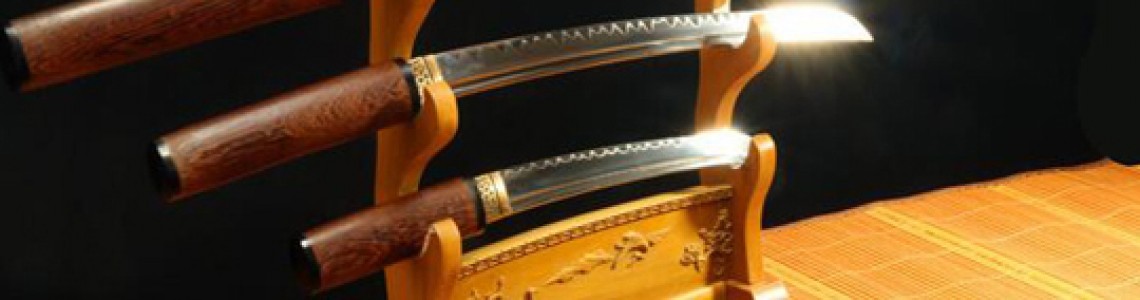
Japanese Sword Polishing and Sharpening: How a Katana Blade Is Finished
A Japanese sword (日本刀, Nihonto) is one of the most famous traditional swords from Japan. Throughout history, Japanese swords have been created in many different forms, including Katana, Wakizashi, Tanto, Tachi, and Naginata. Each type of Japanese sword has its own unique size, shape, purpose, and manufacturing method.
Besides forging and heat treatment, polishing and sharpening are also important steps in completing a high-quality Japanese sword. A properly polished Katana not only has a beautiful appearance but also reveals the characteristics of the blade, including the hamon and the details created during forging.
Traditional Japanese sword polishing is a careful process that requires experience and skill. The purpose is to refine the blade surface, improve the cutting ability, and complete the final appearance of the sword.
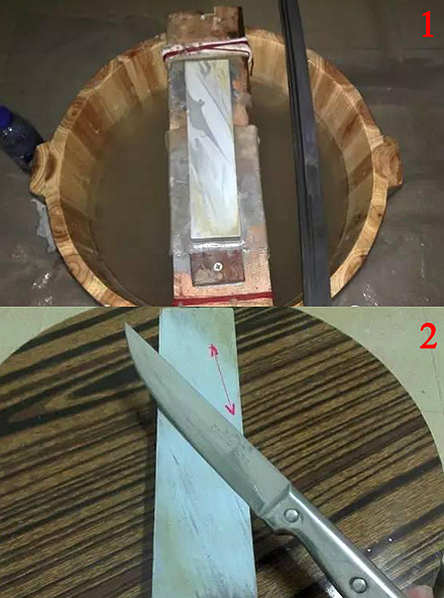
Step 1: Polishing the Japanese Sword Blade
The first step in finishing a Japanese sword is polishing the blade. During this process, the surface of the Katana blade is carefully refined to remove small imperfections and create a smooth finish.
Japanese sword polishing is different from ordinary knife polishing. It requires careful control to maintain the original shape and structure of the blade while improving its appearance.
A skilled sword polisher uses special polishing tools and techniques to gradually improve the blade surface. This process helps reveal the beauty of the steel and prepares the sword for the final finishing stages.
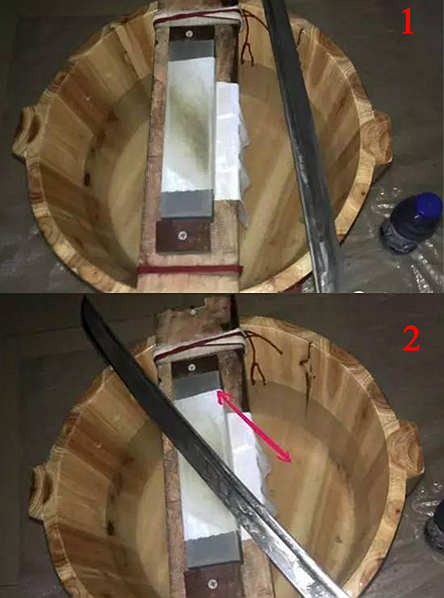
Creating a Mirror-Like Surface on the Blade
After the main polishing process, the Japanese sword blade can achieve a smooth and bright surface. This mirror-like finish gives the Katana its elegant appearance and allows the details of the blade to become more visible.
A high-quality polish can highlight important features of a Japanese sword, such as the hamon (temper line) and the unique patterns created during forging.
The final surface treatment is not only for decoration. It also helps collectors and sword enthusiasts better appreciate the craftsmanship behind each handmade Japanese sword.
Step 2: Sharpening the Japanese Sword Blade
After the blade polishing process is completed, the next important step is sharpening the Japanese sword. A sharp edge is essential for a functional Katana because the sword was originally designed as a cutting weapon.
Unlike ordinary knives, sharpening a Japanese sword requires careful attention to the blade angle and geometry. The edge must be refined while maintaining the balance and structure created during forging.
Traditional Japanese sword sharpening is completed by hand using specialized tools. Skilled craftsmen carefully work on the cutting edge to achieve the proper sharpness while protecting the quality of the blade.
At HanBon Forge, Japanese swords can be customized with different blade finishes and sharpness options according to customer requirements. Each blade is carefully inspected before shipping to ensure quality.
Testing the Sharpness of a Japanese Sword
After polishing and sharpening, the Japanese sword blade needs to be checked to ensure the cutting edge meets the expected standard.
A common method is the paper cutting test. A properly sharpened Katana should be able to cut through paper smoothly when used with the correct technique.
However, sharpness is not the only factor that determines cutting performance. Blade geometry, weight balance, hardness, and the user's technique also play important roles.
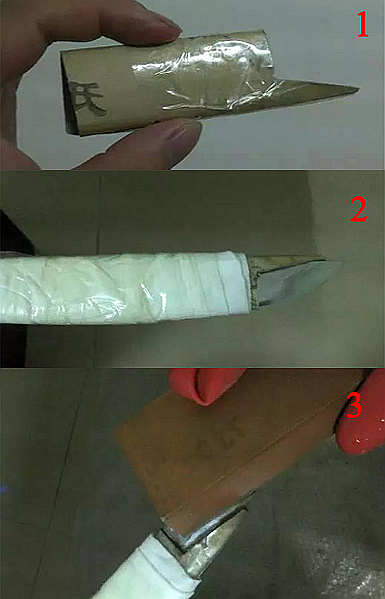
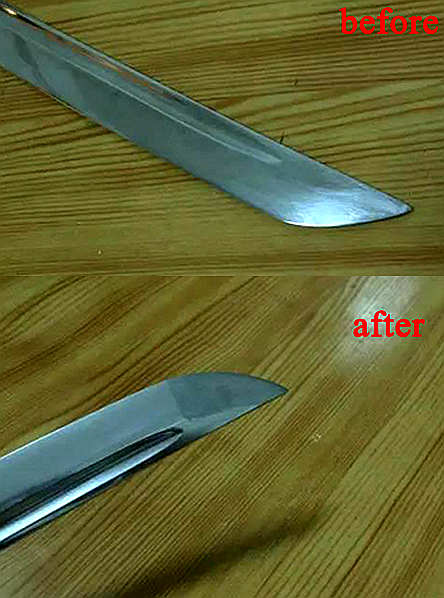
Step 3: Polishing the Kissaki (Sword Tip)
The Kissaki is the pointed section at the end of a Japanese sword blade. Because of its unique shape and importance, polishing the Kissaki requires special attention and skill.
A properly finished Kissaki should have clear lines and a smooth transition between the tip and the main blade. This area is important for both the appearance and function of the Katana.
During the final polishing stage, craftsmen carefully refine the Kissaki to match the overall shape of the blade and highlight the traditional characteristics of the Japanese sword.
The Importance of Proper Japanese Sword Polishing
Japanese sword polishing and sharpening are essential parts of completing a high-quality Katana. These processes not only improve the function of the blade but also reveal the craftsmanship behind the sword.
A well-polished Japanese sword can show important details such as the hamon, blade shape, and steel characteristics. This allows collectors and enthusiasts to better appreciate the work involved in creating a traditional Katana.
Proper polishing should always preserve the original structure of the blade. Incorrect methods may damage the blade surface or affect the appearance of the sword.
Finished Sharp Japanese Sword
After completing polishing and sharpening, a Japanese sword reaches its final stage. The blade has a smooth surface, a clear shape, and a sharp cutting edge that represents the craftsmanship of the sword maker.
A finished Katana is the result of several important processes, including forging, heat treatment, polishing, and sharpening. Every step affects the final quality, appearance, and performance of the sword.
A high-quality Japanese sword should not only be sharp but also maintain excellent balance, proper blade geometry, and traditional aesthetic features.
How to Maintain a Polished Japanese Sword
After a Japanese sword has been polished and sharpened, proper maintenance is necessary to keep the blade in good condition.
Because carbon steel blades can react with moisture, regular cleaning and oiling are important parts of Japanese sword care.
- Keep the blade clean and dry after handling.
- Avoid touching the blade surface directly with bare hands.
- Apply a thin layer of sword oil to protect against rust.
- Store the sword in a dry and safe place.
- Inspect the blade regularly for moisture or corrosion.
Proper maintenance helps preserve the polish, sharpness, and appearance of a Japanese Katana for a long time.
Frequently Asked Questions About Japanese Sword Polishing and Sharpening
1. What is Japanese sword polishing?
Japanese sword polishing is the process of refining and finishing a Japanese sword blade. It improves the surface appearance and helps reveal important blade features such as the hamon and steel patterns.
2. Is polishing the same as sharpening a Katana?
No. Sharpening mainly focuses on improving the cutting edge, while polishing also includes refining the blade surface, maintaining its shape, and revealing the craftsmanship of the sword.
3. Can I polish my Japanese sword at home?
Traditional Japanese sword polishing requires professional skills and experience. Incorrect polishing methods may damage the blade shape and affect its appearance.
4. Why does a Katana need polishing?
Polishing improves the appearance of the blade and reveals details created during forging, including the hamon and other characteristics of the steel.
5. How do I keep my Katana sharp?
Regular maintenance, proper storage, and careful handling help protect the cutting edge. Avoid unnecessary sharpening because removing too much steel can affect the blade.
Conclusion: The Importance of Japanese Sword Polishing and Sharpening
Japanese sword polishing and sharpening are important parts of completing a traditional Katana. These processes transform a forged blade into a finished Japanese sword with both beauty and function.
From the first polishing stage to the final sharpening process, every step requires attention to detail and careful craftsmanship. A properly finished blade reflects the skill of the sword maker and the tradition behind Japanese sword culture.
At HanBon Forge, our handmade Japanese swords are created with attention to blade quality, traditional design, and customer requirements. Each Katana can be customized with different steel types, hamon styles, fittings, and finishing options.