Making a Tsuka | How Traditional Katana Handles Are Crafted

Making a Tsuka (Katana Handle): Traditional Japanese Sword Handle Construction
The tsuka (柄) is one of the most important parts of a Japanese sword. Although the blade receives most attention, a properly made katana handle plays a critical role in controlling the sword, maintaining balance, and ensuring safe use.
Traditional Japanese sword makers developed a precise method for creating the tsuka, combining a wooden core, ray skin wrapping, silk or cotton cord, and carefully fitted components. Every part of the handle is designed to provide strength, comfort, and stability.
Understanding how a tsuka is made helps sword enthusiasts appreciate the craftsmanship behind a Japanese katana. From shaping the wooden core to wrapping the tsuka ito, each step requires skill and attention to detail.

What Is a Tsuka on a Japanese Sword?
A tsuka is the handle section of a Japanese sword, including the wooden core and the external wrapping materials. It surrounds the tang (nakago) of the blade and provides the grip needed to control the sword.
Unlike modern sword handles that are often designed only for comfort, traditional Japanese tsuka construction focuses on strength, balance, and secure connection between the blade and the wielder.
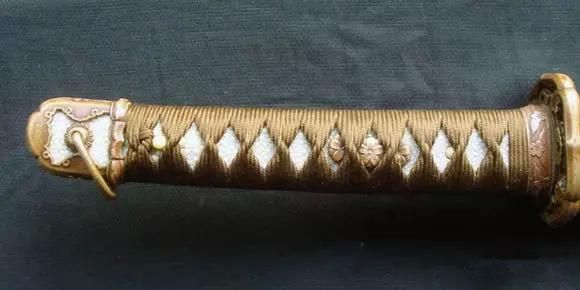
A complete katana handle usually includes several important components:
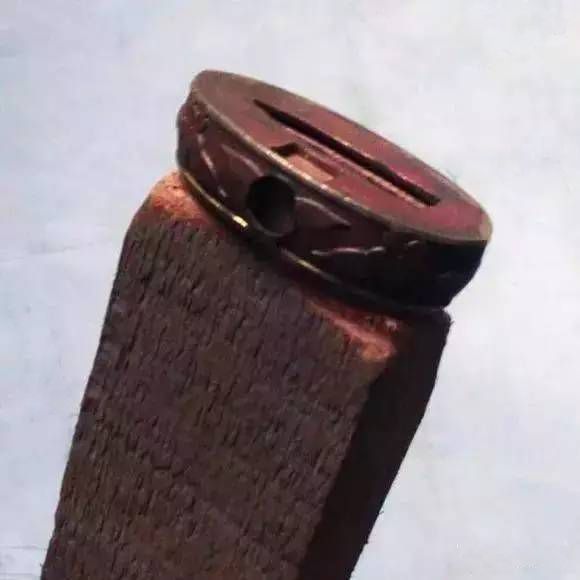
- Tsuka Core (Tsuka Shita): The wooden foundation that holds the sword tang.
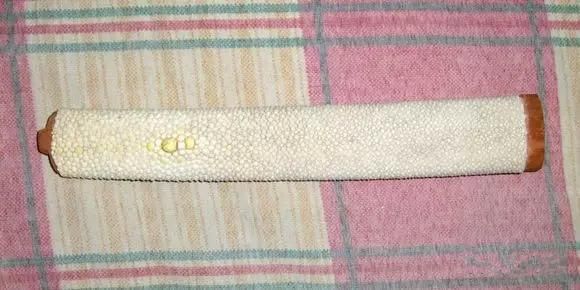
- Samegawa (Ray Skin): A covering material wrapped around the wooden core to improve strength and grip.
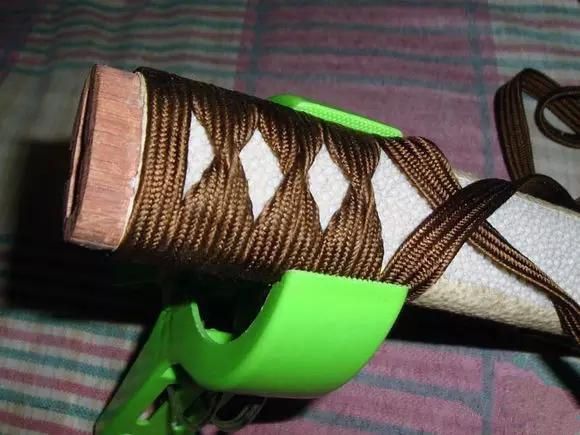
- Tsuka Ito: The silk, cotton, or synthetic cord wrapped around the handle.
- Fuchi: The metal collar at the front of the handle near the guard.
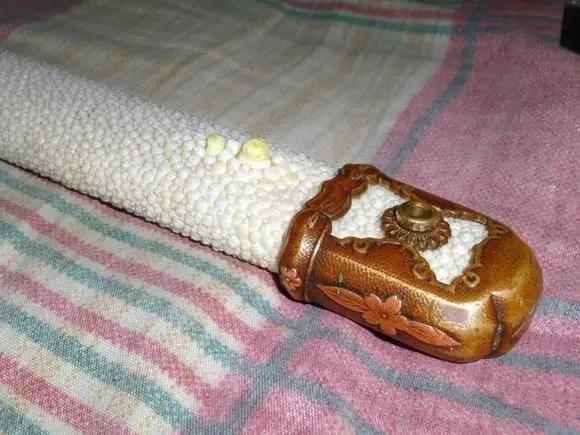
- Kashira: The metal pommel fitting at the end of the handle.
- Menuki: Decorative ornaments placed under the wrapping for both appearance and grip improvement.
The Importance of Proper Tsuka Construction
A well-made katana tsuka is essential for both performance and safety. The handle must securely hold the blade tang while allowing the user to control the sword naturally.
Poorly fitted handles can create movement between the blade and handle, which may affect handling and become dangerous during use. Traditional sword makers therefore pay close attention to every fitting point.
The shape, length, wrapping style, and materials of the tsuka also influence the balance and feeling of the sword in the hand. A properly constructed handle allows smoother movement and better control.
Materials Used for Making a Katana Tsuka
Traditional Japanese sword handle construction uses carefully selected materials. Each material has a specific purpose and contributes to the durability and appearance of the finished sword.
Wooden Tsuka Core
The wooden core is the foundation of the tsuka. Traditionally, lightweight but strong woods are selected because the core must hold the tang securely while maintaining proper balance.
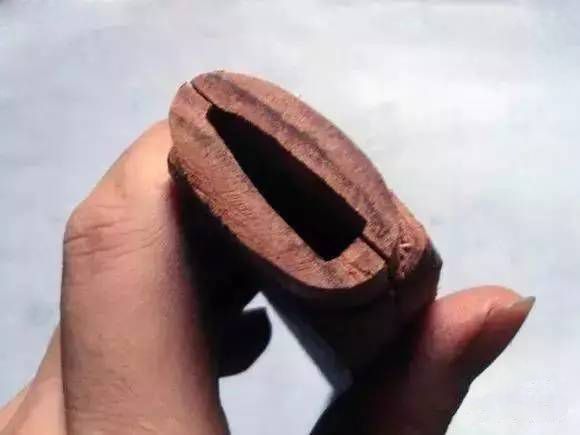
The inside of the wooden core is carefully carved to match the shape of the nakago. A precise fit between the tang and the wood is one of the most important steps in making a reliable katana handle.
Samegawa (Ray Skin)
Samegawa, or ray skin, is traditionally applied over the wooden core. It strengthens the handle structure and creates a textured surface underneath the wrapping.
High-quality ray skin is valued for its durability and traditional appearance. The visible samegawa panels also add an important aesthetic element to a Japanese sword handle.
Tsuka Ito Wrapping Material
The outer wrapping, called tsuka ito, is usually made from silk, cotton, or synthetic fibers. The wrapping pattern not only improves grip but also secures the handle components together.
Common wrapping styles include Hineri Maki and Katate Maki. Each style creates a different appearance and grip feeling.
Step-by-Step Process of Making a Tsuka
Creating a traditional katana handle requires multiple careful steps. Each stage affects the strength, appearance, and overall quality of the finished sword.
Experienced sword makers do not simply assemble the handle parts. Instead, every component is adjusted by hand to ensure a precise fit between the blade, wooden core, and fittings.

Step 1: Preparing the Tsuka Wooden Core
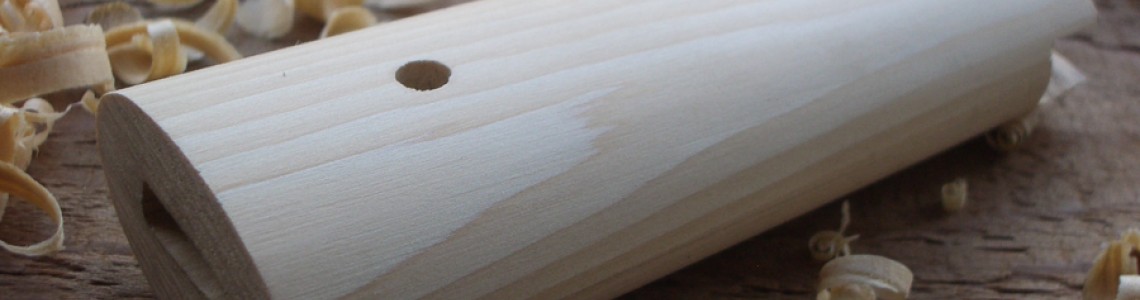
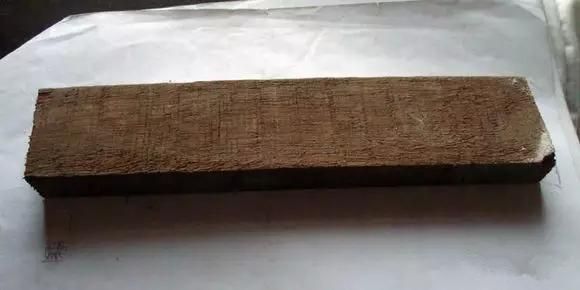
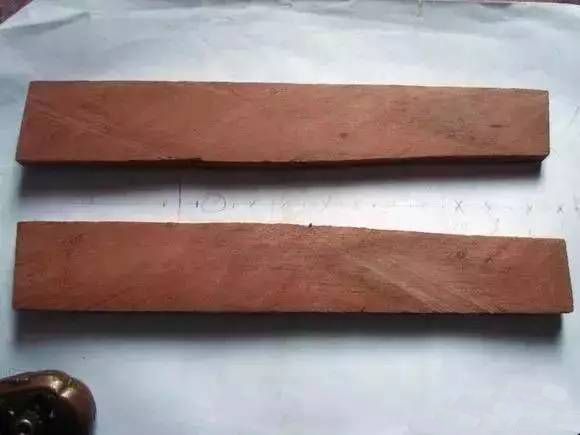
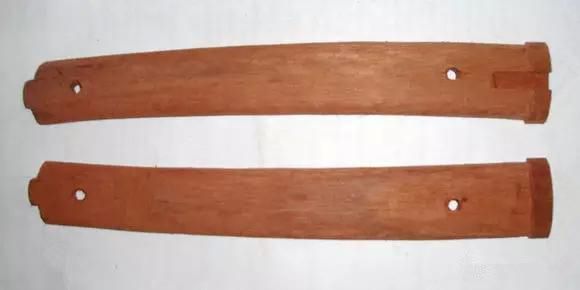
The first step in making a tsuka is creating the wooden handle core. The maker selects suitable wood and carefully shapes it according to the size and shape of the sword tang.
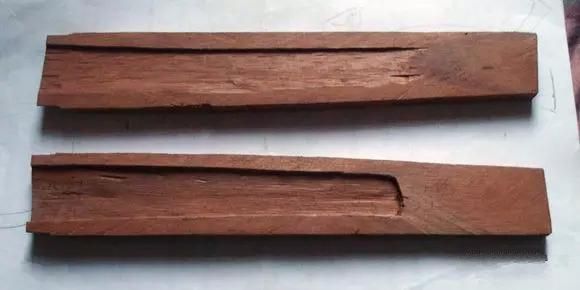
The inside of the core is carved so the nakago fits tightly inside. A proper fit prevents movement between the blade and handle and creates a stable connection.
The two halves of the wooden core are then joined together around the tang before the outer surface is refined.
Step 2: Installing Samegawa (Ray Skin)
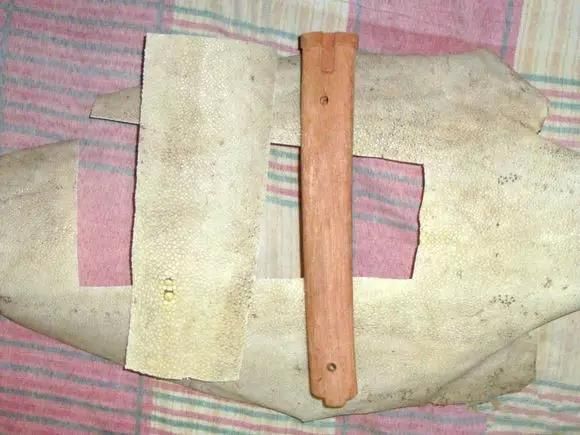
After the wooden core is completed, the next step is applying samegawa. Traditionally, ray skin is used because it provides strength and creates a rough surface that improves the grip of the handle.
The samegawa is carefully fitted around the tsuka core. High-quality installations require the material to sit tightly without gaps or loose areas.
Besides improving durability, samegawa also creates the traditional appearance commonly seen on Japanese swords.

Step 3: Installing Fuchi, Kashira, and Menuki
The metal fittings are important parts of a complete katana tsuka. They provide both structural support and decorative value.
- Fuchi: Installed at the front of the handle to reinforce the connection between the guard and tsuka.
- Kashira: Mounted at the end of the handle to protect the wrapping and complete the design.
- Menuki: Decorative pieces placed under the wrapping to improve grip and add traditional decoration.
The position of each fitting must be carefully adjusted to maintain the correct balance and appearance of the sword.
Step 4: Tsuka Ito Wrapping Process
The final major step is wrapping the handle with tsuka ito. This process requires patience and skill because the wrapping must remain tight and evenly spaced.
Traditional Japanese sword handles commonly use wrapping styles such as Hineri Maki, where the cord is twisted during the wrapping process to create a secure and attractive pattern.
A properly wrapped tsuka provides a comfortable grip while helping hold the handle components firmly together.

Different Types of Tsuka Wrapping Styles
The wrapping style can change both the appearance and handling characteristics of a Japanese sword handle. Different patterns have been used throughout Japanese sword history.
| Wrapping Style | Characteristics |
| Hineri Maki | A traditional twisted wrapping style providing strong grip and classic appearance. |
| Katate Maki | A practical wrapping method often used for specific sword styles. |
| Battle Wrap Styles | Designed for stronger grip during martial use. |
How Tsuka Construction Affects Katana Performance
A high-quality Japanese sword handle improves the overall performance of the katana by providing better control, balance, and stability.
The length, shape, and wrapping tightness of the tsuka influence how the sword feels in the hands. A properly fitted handle allows smoother movements and reduces unnecessary vibration.
For functional swords, the relationship between the blade, tang, and handle is extremely important. A well-made tsuka ensures that the sword works as one complete structure.
How to Maintain a Katana Tsuka
Proper maintenance is important for keeping a katana tsuka in good condition. Although the handle is designed to be durable, regular inspection helps prevent problems caused by long-term use or storage.
Owners should regularly check the tightness of the handle fittings, the condition of the tsuka ito wrapping, and the connection between the blade and handle.
- Avoid exposing the tsuka to excessive moisture, which may damage the wooden core.
- Keep the wrapping clean and dry to maintain its strength.
- Check the mekugi pin regularly to ensure the blade remains securely mounted.
- Store the sword properly to protect the handle materials.
Common Problems With Katana Handles
Even a traditionally made Japanese sword handle may develop issues if it is poorly maintained or incorrectly fitted. Understanding common problems can help sword owners identify potential concerns.
- Loose Tsuka: Usually caused by an incorrect fit between the nakago and wooden core or worn fittings.
- Loose Tsuka Ito: The wrapping may loosen over time if it was not tightened properly during installation.
- Damaged Samegawa: Excessive moisture or improper storage may affect the ray skin covering.
- Cracked Wooden Core: Damage to the wooden structure can affect the safety of the sword.
A properly made tsuka from an experienced sword maker greatly reduces these problems and provides a safer, more enjoyable sword experience.
Frequently Asked Questions About Making a Tsuka
What is a tsuka on a katana?
A tsuka is the handle of a Japanese sword. It contains the wooden core, ray skin covering, wrapping cord, and metal fittings that connect the blade with the user’s grip.
How is a traditional katana handle made?
A traditional katana handle is made by shaping a wooden core around the sword tang, installing samegawa, fitting metal components, and wrapping the handle with tsuka ito.
What materials are used for a Japanese sword handle?
Traditional tsuka construction uses materials such as hardwood, samegawa ray skin, silk or cotton wrapping cord, and metal fittings including fuchi, kashira, and menuki.
Why does a katana need ray skin on the handle?
Samegawa strengthens the handle structure and creates a textured surface that improves grip under the tsuka wrapping.
What is tsuka ito wrapping?
Tsuka ito is the cord wrapping around the katana handle. It provides grip, secures the handle components, and creates the traditional appearance of Japanese swords.
Can I customize a katana handle?
Yes. Custom katana handles can be created with different wrapping colors, samegawa styles, fittings, and handle designs according to personal preferences.
Final Thoughts
The process of making a tsuka is a combination of traditional craftsmanship, precise fitting, and careful attention to detail. Although the blade is often considered the soul of a Japanese sword, the handle is what allows the sword to be controlled effectively.
From the wooden core and samegawa covering to the detailed tsuka ito wrapping, every part of the katana handle contributes to the sword’s performance and beauty.
A professionally crafted tsuka not only improves handling but also preserves the traditional spirit of Japanese sword making for modern collectors and enthusiasts.