
How to Choose a Katana Blade | Complete Japanese Sword Guide
How to Choose a Katana Blade: A Complete Guide for Beginners and Collectors
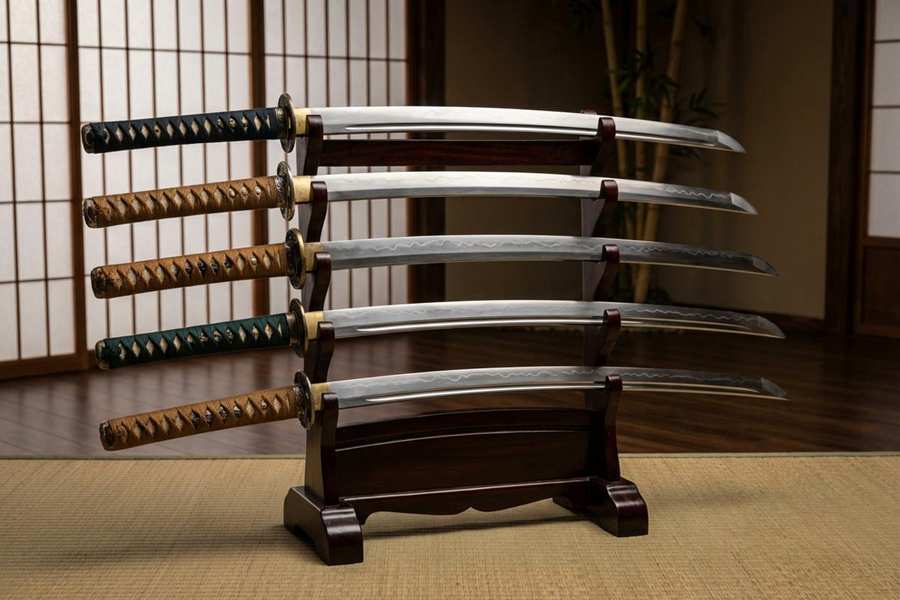
Choosing the right Katana blade is one of the most important decisions when buying a Japanese sword. The blade determines not only the appearance of the sword but also its performance, durability, handling feel, and maintenance requirements.
With so many options available, including different steel types, blade shapes, heat treatments, and designs, many buyers feel confused when selecting their first Katana. Understanding the basic features of a sword blade will help you choose a blade that matches your purpose and expectations.
Whether you are purchasing a Katana for collection, martial arts practice, cutting, or display, the right blade choice is essential. This guide explains how to choose a Katana blade by focusing on steel, construction, shape, hardness, and other important factors.
Why Choosing the Right Katana Blade Matters
The blade is the heart of a Katana. A well-made blade needs to balance several characteristics, including sharpness, toughness, flexibility, and edge retention.
Different users have different needs. A collector may prefer a beautifully polished blade with a visible hamon pattern, while someone practicing tameshigiri may require a stronger blade designed for repeated cutting.
Before choosing a Katana blade, consider:
- Purpose: Display, collection, martial arts training, or cutting practice.
- Steel Type: Different steels provide different levels of hardness, durability, and maintenance needs.
- Blade Geometry: The shape and thickness affect cutting ability and handling.
- Heat Treatment: Proper hardening determines the blade’s performance.
- Blade Size: Length and weight should match the user’s body and experience.
A beautiful Katana is not always the best choice. The ideal blade is the one that matches your intended use.
Determine Your Purpose Before Choosing a Katana Blade
The first step in choosing a Katana blade is understanding why you want the sword. Different applications require different blade characteristics.
Katana Blade for Display and Collection
If your Katana will mainly be displayed or collected, appearance and craftsmanship may be your main priorities. Collectors often focus on blade polish, hamon pattern, fittings, engraving, and overall artistic design.
A Damascus steel Katana or a clay-tempered blade with a beautiful hamon can be an excellent choice for collectors who appreciate traditional sword aesthetics.
Katana Blade for Training and Martial Arts
For iaido, kenjutsu, or regular handling practice, balance and weight distribution are extremely important. A blade that feels comfortable in the hands allows better control and safer practice.
Many practitioners prefer blades with proper balance, suitable curvature, and reliable construction.
Katana Blade for Cutting Practice (Tameshigiri)
A Katana used for cutting requires a functional blade with proper steel, heat treatment, and full tang construction. Durability and edge performance are more important than decorative features.
For cutting practice, many experienced users choose high-carbon steel blades such as 1095 or T10 because they offer excellent hardness and cutting performance when properly heat treated.
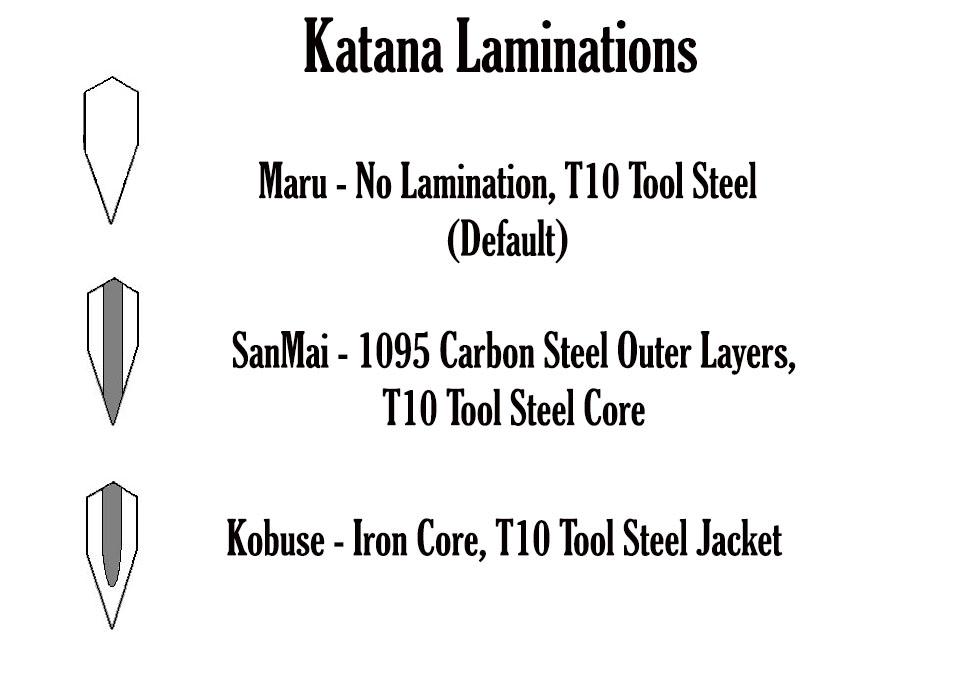
Choose the Right Katana Steel Type
Steel selection is one of the most important factors when choosing a Katana blade. Different steel types provide different advantages depending on your expectations and experience level.
| Steel Type | Main Features | Recommended For |
| 1060 Carbon Steel | Excellent toughness, flexibility, and durability. | Beginners and general cutting practice. |
| 1095 Carbon Steel | Higher hardness and strong edge retention. | Experienced users and collectors. |
| T10 Tool Steel | Premium hardness and excellent cutting performance. | High-performance handmade Katana. |
| Damascus Steel | Unique layered patterns and artistic appearance. | Collectors who value aesthetics. |
There is no single “best” Katana steel for everyone. The right choice depends on whether you prioritize toughness, sharpness, appearance, or traditional craftsmanship.
Understand Different Katana Blade Shapes and Geometry
Besides steel type, the shape and geometry of a Katana blade have a major influence on cutting ability, handling, and appearance. Traditional Japanese sword makers developed different blade designs to achieve specific performance characteristics.
When choosing a Katana blade, understanding basic blade geometry will help you select a sword that matches your needs.
Shinogi-Zukuri Katana Blade
Shinogi-zukuri is the most common blade style found on Japanese Katana. It features a ridge line (shinogi) that separates the cutting edge from the upper part of the blade.
This design provides a good balance between cutting ability, strength, and durability, making it suitable for most functional Katana.
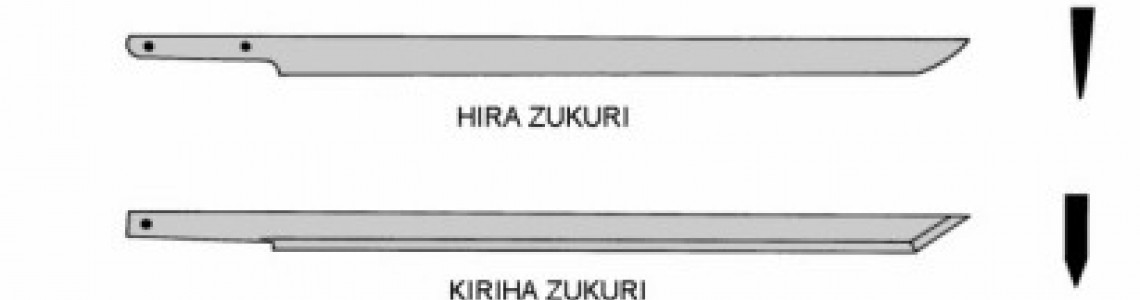
Hira-Zukuri Katana Blade
Hira-zukuri blades have a flatter cross-section without a distinct shinogi ridge. This style is often seen on shorter Japanese swords such as Tanto.
While less common for Katana, this blade geometry offers a unique appearance and historical value.
Blade Curvature (Sori)
The curvature of a Katana blade, known as sori, affects both the appearance and handling characteristics of the sword.
- Moderate Curvature: Provides a traditional Katana appearance and balanced handling.
- Deep Curvature: Often associated with older sword styles and cavalry use.
- Straighter Blades: Provide a different handling feel and are often preferred for certain martial arts applications.
For most beginners, a traditionally shaped Shinogi-zukuri Katana with moderate curvature is a reliable choice.
Choose Between Bo-Hi and No Bo-Hi Blades
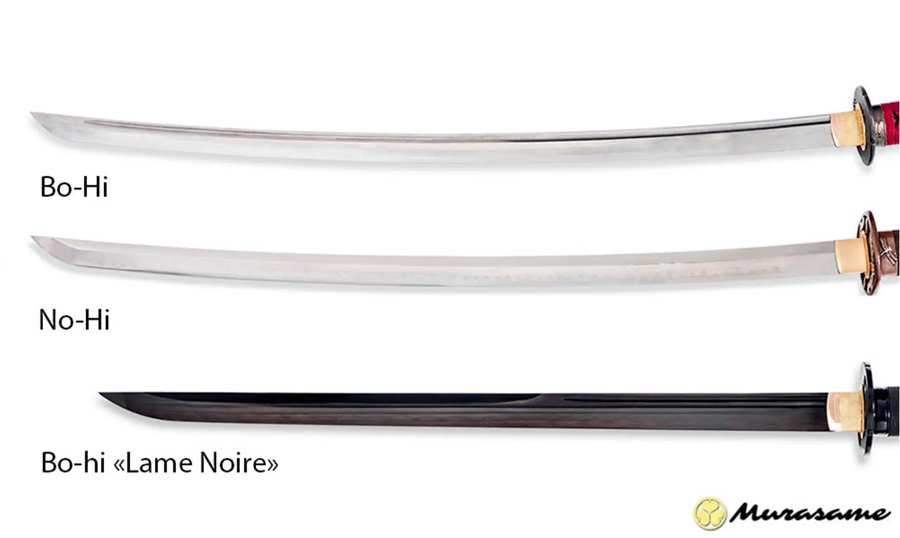
The bo-hi is a groove carved into the blade surface. It is one of the most noticeable design choices when selecting a Katana blade.
Katana With Bo-Hi
A bo-hi removes some material from the blade, reducing weight and improving handling speed. It also creates a distinctive sound when the sword moves through the air.
Advantages of bo-hi:
- Lighter overall weight.
- Faster handling.
- Traditional aesthetic appearance.
- Clearer blade movement sound.
Katana Without Bo-Hi
A no bo-hi blade keeps more steel material, which usually results in a heavier and stronger feeling sword.
Advantages of no bo-hi:
- More blade mass.
- Solid cutting feel.
- Traditional powerful appearance.
- Preferred by some cutting practitioners.
Neither option is universally better. The best choice depends on whether you prefer lighter handling or a stronger blade presence.
Clay Tempered vs Through Hardened Katana Blades
Heat treatment is one of the most important factors affecting Katana performance. Different hardening methods create different blade characteristics.
Clay Tempered Katana Blade
Clay tempering is a traditional Japanese sword-making method where clay is applied to different areas of the blade before heating and quenching.
This creates a harder cutting edge and a softer spine, producing the famous hamon pattern while maintaining flexibility.
- Visible natural hamon.
- Excellent combination of hardness and toughness.
- Traditional Japanese sword appearance.
Through Hardened Katana Blade
Through hardened blades are heat treated evenly throughout the steel. They are often valued for durability and resistance to impact.
This type of blade can be an excellent choice for beginners who want a reliable functional Katana.
| Feature | Clay Tempered | Through Hardened |
| Hamon | Natural hamon pattern | Usually no visible hamon |
| Performance | Hard edge with flexible spine | Balanced durability |
| Best For | Collectors and experienced users | Beginners and practical use |
How to Choose the Right Hamon Style
The hamon is not only a functional feature but also one of the most attractive elements of a Katana blade. Different hamon patterns reflect different forging styles and artistic preferences.
- Suguha Hamon: A straight and elegant temper line with a classic appearance.
- Gunome Hamon: A wave-like pattern with a dynamic visual style.
- Notare Hamon: A larger flowing pattern often appreciated by collectors.
- Choji Hamon: A distinctive clove-shaped pattern inspired by traditional Japanese sword designs.
When choosing a blade, select a hamon style that matches your personal taste while ensuring the blade has proper heat treatment.
Full Tang Construction Is Essential for a Functional Katana
Regardless of steel type or blade design, construction quality is one of the most important factors when choosing a functional Katana blade.
A full tang Katana means the steel extends through the handle and is secured with mekugi pins. This traditional structure provides better strength, balance, and reliability.
When selecting a blade, check for:
- Full tang construction.
- Secure handle assembly.
- Proper blade-to-handle balance.
- Quality materials throughout the sword.
A beautiful blade without proper construction may only be suitable for decoration. A true functional Katana requires both quality steel and reliable assembly.
Common Mistakes When Choosing a Katana Blade
Many beginners focus only on appearance when buying their first Katana. While design is important, several technical factors should also be considered.
- Choosing Only Based on Appearance: A beautiful sword may not have the right construction or steel for your needs.
- Ignoring Steel Quality: Different steels provide different levels of durability and maintenance requirements.
- Buying an Incorrect Size: A blade that is too large or heavy can be difficult to handle.
- Ignoring Heat Treatment: Steel quality alone does not determine performance; proper heat treatment is equally important.
- Choosing Decorative Swords for Functional Use: Display swords are not designed for cutting or training.
A good Katana purchase should balance appearance, craftsmanship, materials, and intended use.
Recommended Katana Blade Choices for Beginners
For beginners purchasing their first real Katana, choosing a reliable and versatile blade is usually the best approach.
- 1060 Carbon Steel Katana: A durable choice with excellent toughness and easy maintenance.
- 1095 Carbon Steel Katana: Suitable for users who want higher hardness and sharper edge performance.
- T10 Clay Tempered Katana: A premium option with traditional hamon and excellent cutting characteristics.
- Damascus Katana: Ideal for collectors who appreciate unique blade patterns and artistic craftsmanship.
The best Katana blade is not always the most expensive one. It is the blade that matches your experience, purpose, and personal preference.
Frequently Asked Questions About Choosing a Katana Blade
1. What is the best steel for a Katana blade?
There is no single best steel for every user. 1060 carbon steel is known for toughness, 1095 offers higher hardness, and T10 steel is popular for premium clay-tempered Katana with excellent cutting performance.
2. Is a T10 Katana better than a 1095 Katana?
T10 and 1095 are both high-quality steels. T10 is often chosen for premium clay-tempered blades, while 1095 is valued for hardness and edge retention. The quality of forging and heat treatment are also important.
3. Should I choose a Katana with bo-hi or without bo-hi?
A bo-hi blade is lighter and easier to handle, while a no bo-hi blade has more steel and provides a stronger blade feel. The best choice depends on your personal preference and intended use.
4. Is a clay tempered Katana worth buying?
A clay tempered Katana is a great choice for buyers who appreciate traditional sword-making methods, visible hamon patterns, and a combination of hard edge performance with flexible construction.
5. What Katana blade is best for beginners?
A balanced 1060 carbon steel, 1095 carbon steel, or T10 Katana with full tang construction is generally a good choice for beginners.
Final Thoughts: Choosing the Right Katana Blade
Choosing a Katana blade requires more than selecting a beautiful design. Steel type, blade geometry, heat treatment, construction, and intended use all determine whether a sword is suitable for you.
By understanding these important factors, you can make a better decision and choose a Katana that provides the right combination of craftsmanship, performance, and appearance.
Whether you are buying your first Japanese sword or expanding your collection, selecting the correct blade is the foundation of owning a meaningful and high-quality Katana.